I’m Jason J Madison, a Hudson Valley real estate advisor and the voice behind Destination Hudson Valley NY.
I live and work right here in the Hudson Valley, helping buyers, sellers, and families understand not just the real estate market, but what it’s actually like to live in each town and community.
In this post, I’ll break down the question above clearly and honestly so you can decide what’s right for you.
Many popular Hudson Valley towns are within 90 minutes of NYC by Metro-North. Commute time depends on the line, station access, and whether you live in a walkable village or rural area.
Why Metro-North Distance Matters So Much
For NYC buyers, access to Metro-North Railroad often shapes the entire buying decision.
Even if you don’t commute daily, knowing you can get to the city easily changes how a town feels.
But distance on a map is misleading. Real-life access is what matters.
The Three Metro-North Lines That Matter
Most Hudson Valley buyers rely on:
- Hudson Line
- Harlem Line
- New Haven Line (less common for this region)
The Hudson Line is the most popular for river towns.
Hudson Line. Towns and Approximate Travel Times
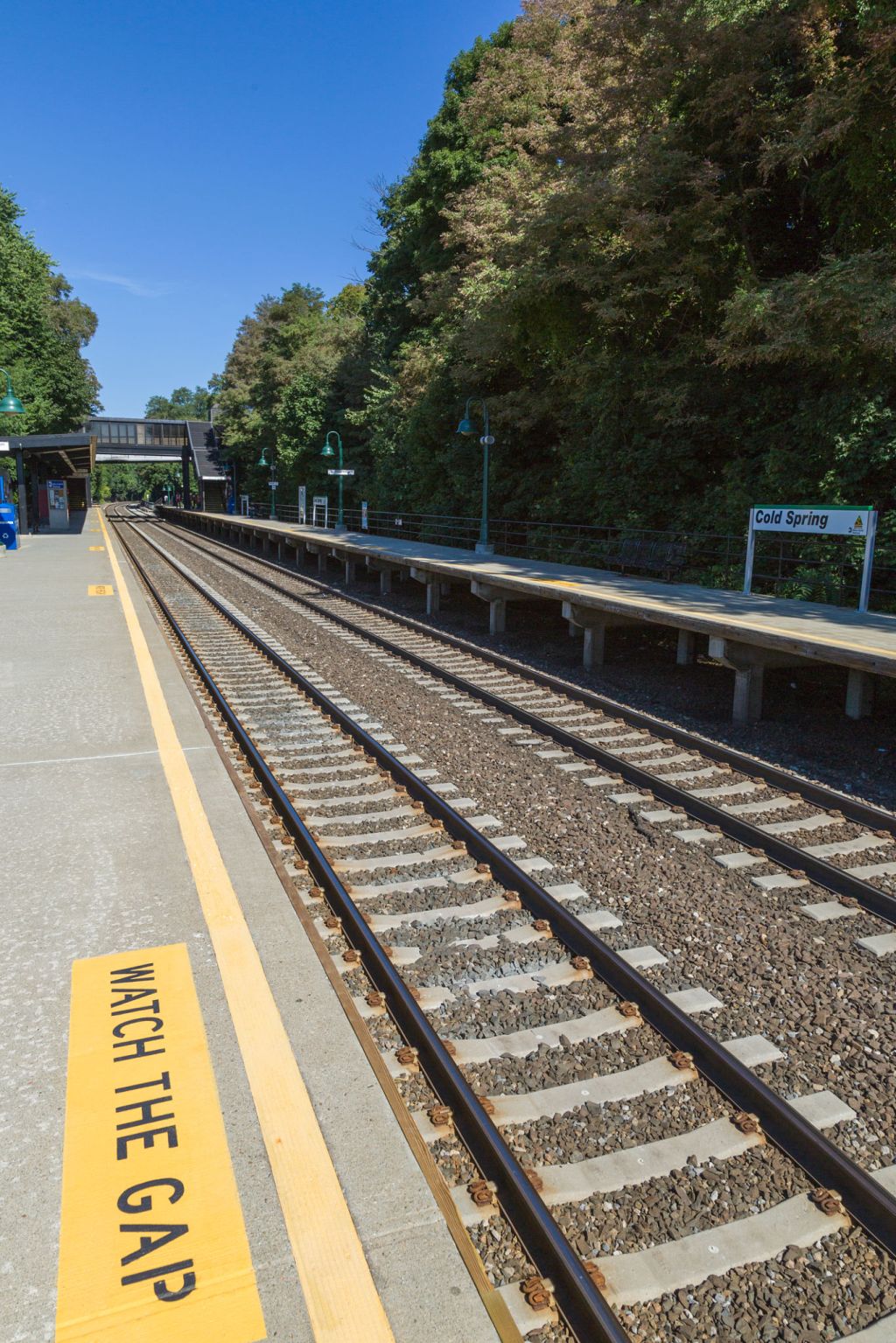
Cold Spring
- Approximate time to Grand Central: 75–80 minutes
- Walkable village to station
Cold Spring offers one of the best combinations of charm and access.
Beacon
- Approximate time: 75–85 minutes
- Walkable downtown and station
Beacon remains one of the easiest transitions for NYC buyers.
Poughkeepsie
- Approximate time: 95–110 minutes
- Major transit hub
Poughkeepsie works well for buyers prioritizing transit flexibility.
Rhinecliff (for Rhinebeck)
- Approximate time: 95–105 minutes
- Short drive from village
Many Rhinebeck buyers use Rhinecliff station despite not being walkable.
Harlem Line. Alternative Access
The Harlem Line serves eastern Dutchess towns.
Common stations:
- Pawling
- Dover Plains
Travel times range from 90–110 minutes. These areas appeal to buyers seeking more land and quieter settings.
What NYC Buyers Often Overlook
A few important realities:
- Living near a station is very different from driving to one
- Parking availability matters
- Express vs local trains change everything
- Winter travel conditions add time
A town can feel “close to the city” or surprisingly far depending on these factors.
Village vs Rural Access
This is a major lifestyle difference.
Village living:
- Walk or bike to the station
- Easier spontaneous trips
- Higher demand and pricing
Rural living:
- 10–25 minute drive to station
- More planning required
- Often more space and privacy
Neither is better. They’re just different.
Is Metro-North Access Still Important in 2026?
Yes, but differently.
Hybrid work means:
- Fewer weekly trips
- Less rush-hour pressure
- More flexibility in town choice
Buyers are prioritizing optional access rather than daily commuting.
How Access Affects Resale
Homes with reasonable access to Metro-North tend to:
- Sell faster
- Attract NYC buyers more easily
- Hold value more consistently
Even buyers who rarely commute like knowing the option exists.
Choosing the Right Town Based on Your Life
Ask yourself:
- How often will I go to NYC?
- Do I want walkability or land?
- Am I comfortable driving to a station?
The answers shape the right town more than the exact commute time.
Bottom Line
Metro-North access remains a powerful factor in Hudson Valley real estate. But the “best” town isn’t the closest one. It’s the one that fits how often and how easily you want to move between worlds.
Related Reading
- Best Towns for Creatives and Remote Workers
- Metro-North access towns
- Buying in the Hudson Valley
- Hudson Valley town guides
- Is It a Better Time to Buy, Sell, or Rent in the Hudson Valley Right Now?
Whether you are buying or selling or just exploring options I am always happy to help contact me here:


Licensed Real Estate Sales Person
Stevens Real Estate at eXp Realty
171 Main St. New Paltz NY 12561
845-253-4042
 Destination Hudson Valley NY
Leave a comment